
If your drains keep backing up no matter what you try, there is a good chance you need more than a basic fix. Hydro jetting is one of the most effective methods we use at Mr. Plumber Atlanta to get sewer lines flowing again, and this guide covers everything you need to know about how it works, when you actually need it, and what it costs here in metro Atlanta.
Hydro jetting uses high pressure water to clear clogged sewage lines far more thoroughly than a standard snake ever could. Instead of just poking a hole through the clog, pressurized water scours the full interior walls of your pipes, washing away grease, sludge, mineral deposits, and even tree roots. Professional hydro jetting typically uses water pressure up to 4000 PSI in residential plumbing systems and must be handled by a licensed plumber to avoid pipe damage.
Here are the most common signs you might need hydro jetting in metro Atlanta:
Hydro jetting is safe for most modern pipes when a professional inspects the sewer line first and adjusts water pressure correctly. Mr. Plumber Atlanta offers 24/7 professional hydro jetting for both homes and small businesses across the metro area, with upfront pricing and no surprises.
Hydro jetting is a drain and sewer cleaning method that uses a specialized hose and high pressure water to scour the inside of pipes. Think of it as a thorough cleaning for your entire plumbing system rather than just a quick fix. It is strong enough to clear grease, sludge, scale, and even small tree roots from sewer lines without relying on harsh chemicals. This makes it an environmentally friendly approach that relies only on water.
This is professional hydro jetting, not a basic pressure washer from hardware stores. The equipment is designed specifically for plumbing systems. In metro Atlanta, plumbers commonly use hydro jetting on main sewer line clogs that affect multiple fixtures at once. It cleans pipes thoroughly, unlike traditional snaking, and is usually paired with a sewer camera inspection so the plumber can see the pipe condition before cleaning begins.
The setup is straightforward: a jetting machine, a high pressure hose, and a specially designed nozzle get inserted through a cleanout in the sewer line. The hydro jet nozzle sprays water both forward to break up blockages and backward to pull the hose down the line and scrub the pipe walls clean.
Hydro jetting uses water pressure between 1,500 to 8,000 PSI depending on the application. High pressure water from hydro jetting can reach pressures of 3,500 to 5,000 PSI on tougher jobs. The plumber adjusts pressure based on pipe size and materials. Here is how the process typically works:
Hydro jetting restores pipe capacity by cleaning the entire pipe. The process pushes loosened debris all the way out to the larger city sewer, leaving the interior walls clean instead of just opening a small channel through the clog.
Hydro jetting is designed for heavy, stubborn buildup that regular drain cleaning methods leave behind. It is an effective solution for deep blockages in sewer lines and works well in both residential and commercial settings.
Common materials it removes include:
Hydro jetting effectively removes tree roots and grease buildup from sewer lines, which is a big deal in older Atlanta neighborhoods where oaks and sweetgums send roots into clay and cast iron joints. It also handles mineral deposits and scale from hard water. Because hydro jetting provides a comprehensive cleaning of the full pipe diameter, it greatly reduces the chance of the same clog coming back quickly.
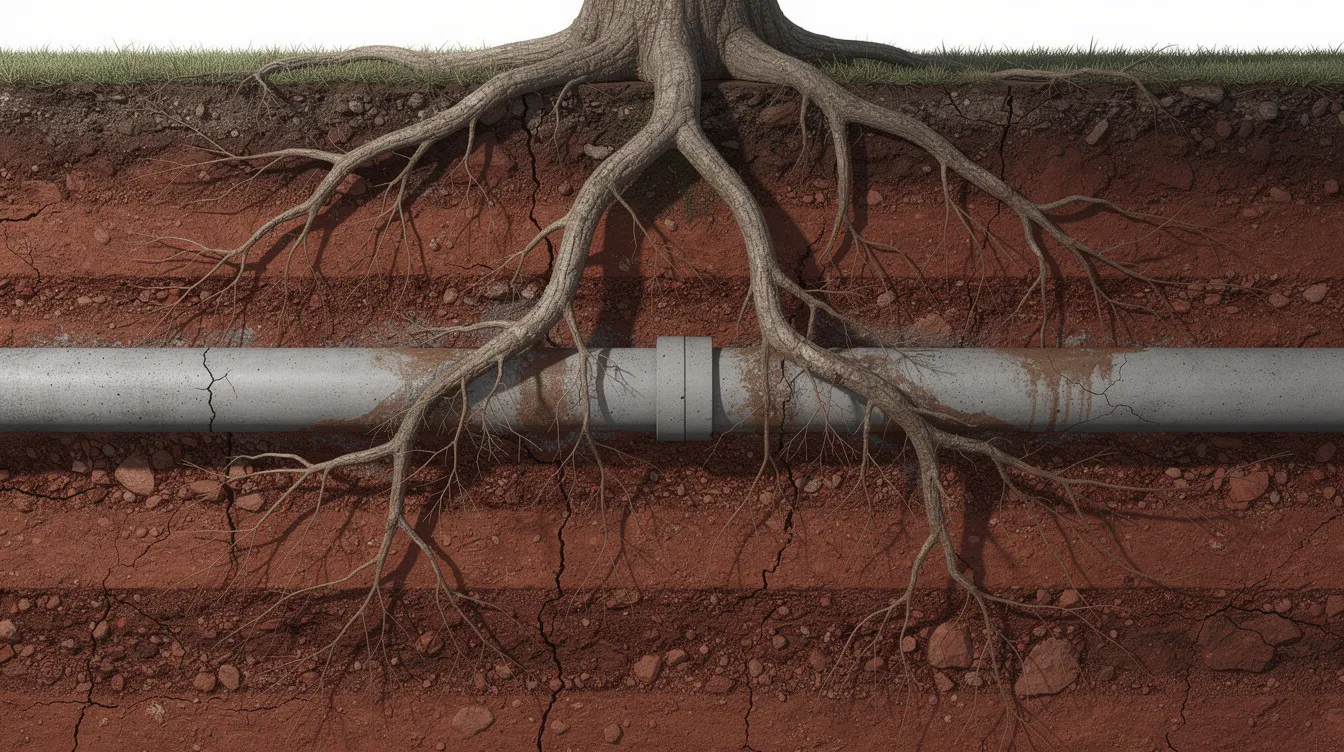
Hydro jetting is safe for pipes when done by licensed plumbers. Most modern PVC and well-maintained cast iron pipes handle the process just fine. A camera inspection comes first so the plumber can spot cracked, collapsed, or fragile sewer lines that should not be exposed to high pressure water.
The plumber controls pressure, flow, and nozzle type to match the age and condition of the pipe. Is hydro jetting safe? Absolutely, when a trained professional handles it. However, hydro jetting can damage weak pipes if misused, and older pipes may not withstand hydro jetting pressure safely. Professional plumbers should perform hydro jetting for safety. For severely deteriorated or broken sewer lines, the plumber will recommend repair or replacement to protect your system from severe damage.
Basic snaking with drain snakes works well for simple clogs near a fixture. Hydro jetting is better for deeper, recurring, or system-wide problems. Hydro jetting is recommended for persistent clogs, severe grease buildup, and tree root intrusions. It is ideal for stubborn clogs and stubborn blockages that keep coming back.
Signs pointing toward hydro jetting include:
In metro Atlanta, older homes with large shade trees often have roots invading the main sewer line. Snaking alone rarely solves this. Hydro jetting is often recommended after several unsuccessful snaking attempts, or when a camera inspection shows heavy grease or scale along the pipe walls. Hydro jetting is also recommended for restaurants to prevent grease buildup, and businesses like daycares or offices with break rooms may schedule preventative jetting annually to avoid emergency issues.
Hydro jetting is powerful and effective, but it is not always the right choice for every pipe or situation.
Advantages | Drawbacks |
|---|---|
Thorough cleaning of the entire sewer line | Must be done by a professional plumber |
Prevents future clogs by removing buildup | May not be suitable for very old or broken pipes |
Eco friendly solution using only water, no harsh chemicals | Typically costs more than a simple snake visit |
Effective results on grease, roots, and scale | Requires specialized equipment |
Provides a long-term solution by eliminating the root cause of clogs | Access can be difficult without a cleanout |
Compared to snaking, hydro jetting delivers a comprehensive cleaning rather than a temporary fix. Compared to chemical methods, it is an eco friendly solution that protects the environment. For drain maintenance on a budget, snaking may work initially, but hydro jetting saves money over time by preventing future issues and expensive repairs.
Hydro jetting should not be attempted as a DIY project. True hydro jetting requires professional equipment and training that goes well beyond what you can rent or buy at hardware stores. Hydro jetting equipment rental costs range from $200 to $300 per day, but without training, you risk pipe damage, water intrusion into your home, or personal injury.
Professional hydro jet machines let the plumber control pressure precisely and protect the sewer line. Consumer power washers lack the nozzle design, hose length, and safety features needed for the job. Light DIY options are reasonable for minor issues, like using a plunger, a small hand snake on a single sink, or enzyme-based treatments. But for any recurring main sewer line issue, strong sewage odors, or multiple slow drains, call a professional. Mr. Plumber Atlanta can handle full camera inspection and sewer jetting in one visit.
Hydro jetting costs range from $200 to $800 for residences, with professional hydro jetting services usually costing between $350 and $500 for a standard job. Commercial hydro jetting typically costs between $450 and $2,000 depending on line length and grease severity.
A typical service includes:
While hydro jetting costs more upfront than basic snaking, it often prevents repeated service calls for the same recurring clog, which saves you money over time. For most homeowners, one thorough jetting session solves problems that multiple snake visits could not. Contact Mr. Plumber Atlanta for upfront, written pricing and ask about available financing options for larger sewer line repair or replacement projects.
Mr. Plumber Atlanta is a local metro Atlanta company that specializes in drain cleaning, sewer line repair, and 24/7 emergency plumbing. Our team delivers exceptional service backed by real experience with Atlanta's unique soil conditions, older pipe materials, and aggressive tree roots.
All hydro jetting is performed by licensed, background-checked plumbers trained to work safely on a variety of pipe materials and ages. We use video inspection before and after every hydro jetting job so you can see the inside of your sewer line on screen. You get upfront pricing, clean and respectful technicians, and security service that covers both residential homes and small commercial properties. If you are dealing with recurring clogs or sewer line problems in metro Atlanta, schedule a hydro jetting evaluation with us today.
Many homeowners in Atlanta do not need routine hydro jetting every year. However, homes with older sewer lines, heavy tree roots, or frequent grease buildup may benefit from cleaning every one to two years. Routine hydro jetting maintenance prevents future plumbing issues. Commercial kitchens and restaurants often need scheduled jetting quarterly due to heavy grease and food waste. Base your schedule on a plumber's camera findings and your history of backups rather than a fixed calendar.
When done correctly by a professional, hydro jetting is generally safe for PVC, ABS, and most modern sewer lines. The plumber adjusts pressure specifically to avoid harming plastic pipes and always inspects for existing damage before starting. DIY use of high pressure washers can crack fittings or joints, which is why only trained plumbers should perform this method.
Hydro jetting clears blockages and buildup but cannot repair a cracked, offset, or collapsed sewer pipe segment. If the camera inspection shows a structural problem, the plumber will recommend trench or trenchless sewer line repair instead. Sometimes jetting is used first to flush out debris so the plumber can better locate the exact area that needs repair.
Hydro jetting can cut and flush out many small to medium tree roots that have invaded the sewer line, often restoring normal flow. However, unless the pipe is repaired or replaced, roots may grow back over time through the same cracks or joints. Hydro jetting helps maintain older sewer lines, especially in areas with many trees. Homeowners with repeated root intrusion should discuss options like pipe lining or selecting the right trees near their sewer line.
For most single-family homes in metro Atlanta, expect about 1.5 to 3 hours including camera inspection, setup, hydro jetting, and cleanup. Severe blockages, long or complicated sewer runs, or commercial properties can take longer. Your plumber will provide an estimated time window after the initial evaluation on site.
Get up-to-date current news, promotions, and industry tips.